Solar PV Modules
Four module families, each built for a different job — from premium N-type TOPCon down to value polycrystalline.
Indicative specifications. The figures on this page describe the module families we build to. Binding electrical and mechanical parameters for a given order are always those printed on the signed datasheet issued with your quotation. Request a datasheet →
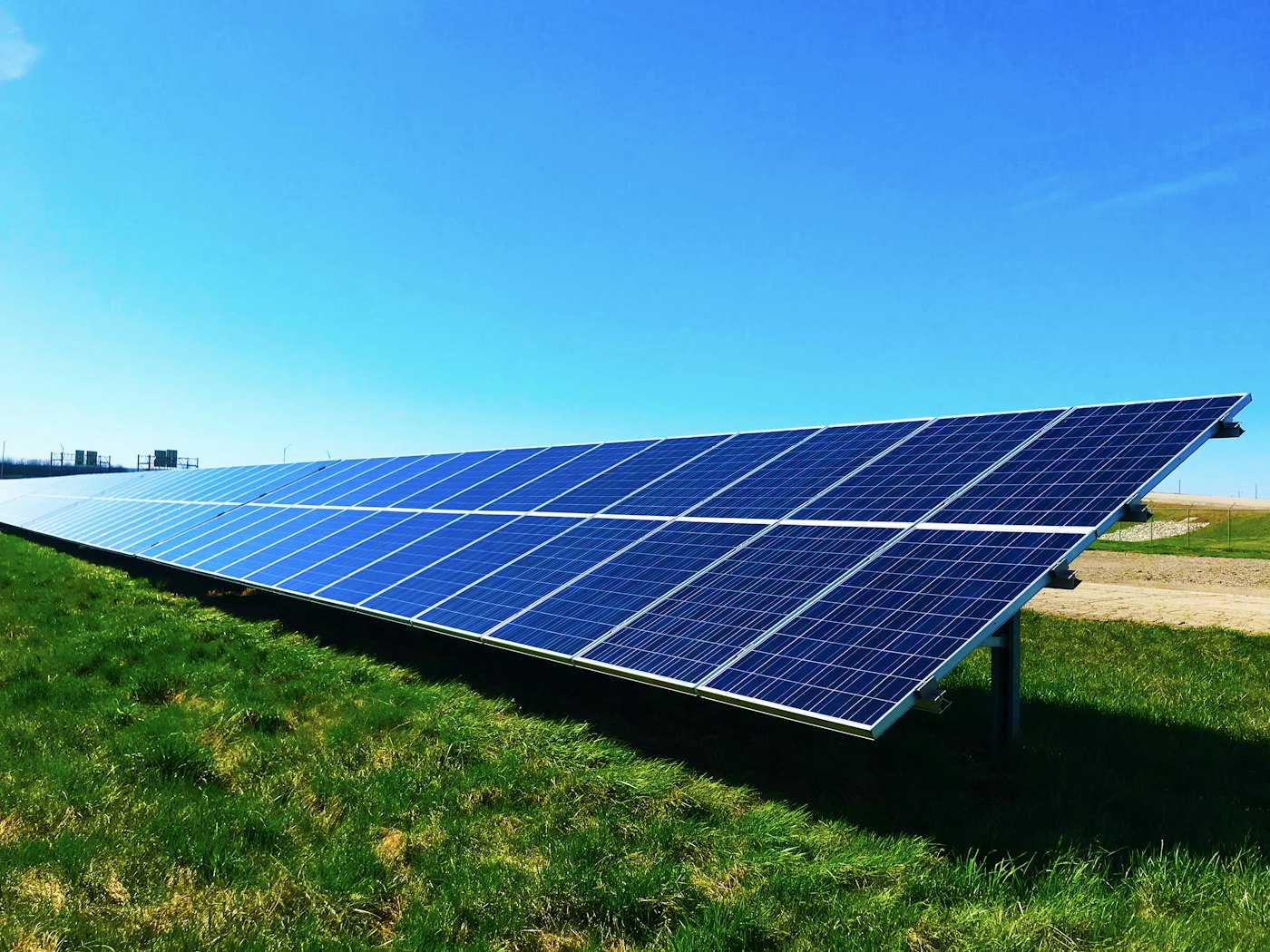
TOPCon N-Type Modules
Tunnel Oxide Passivated Contact cells add an ultra-thin oxide layer between the silicon and the contact, cutting recombination losses at the rear surface. The practical result is more usable energy from the same roof — particularly on hot afternoons, when conventional P-type panels lose the most.
- Lower temperature coefficient
- Reduced first-year degradation
- Better low-light response
- Naturally bifacial cell structure
| Parameter | Indicative value |
|---|---|
| Cell technology | N-type monocrystalline TOPCon, half-cut |
| Cell configuration | 132 (66×2) half-cells |
| Peak power range | 560 – 620 Wp |
| Module efficiency | 21.5 – 23.0 % |
| Temperature coefficient (Pmax) | approx. −0.30 %/°C |
| Front glass | 3.2 mm tempered, anti-reflective coated |
| Frame | Anodised aluminium alloy |
| Product warranty | 12 years |
| Performance warranty | 30 years linear |
Swipe the table sideways to see all values.
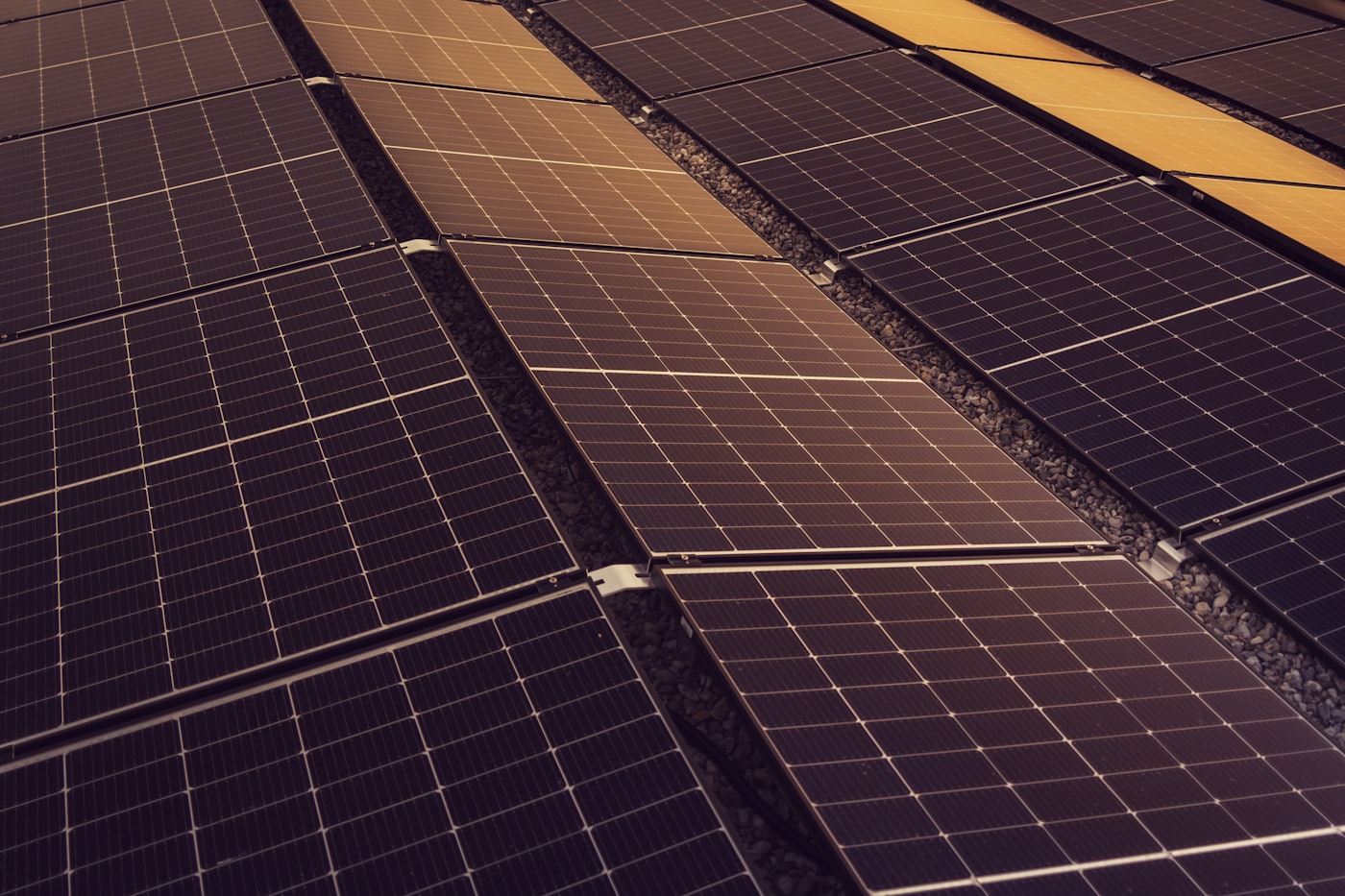
Mono PERC Modules
Passivated Emitter and Rear Cell technology remains the backbone of Indian rooftop solar for good reason: mature, well-understood, widely serviceable, and priced for real projects. Our half-cut cell layout halves the current per string, which cuts resistive losses and makes the module far more forgiving of partial shading.
- Strong shade tolerance
- Lower hot-spot risk
- Excellent price-to-performance
- Widely stocked replacements
| Parameter | Indicative value |
|---|---|
| Cell technology | P-type monocrystalline PERC, half-cut |
| Cell configuration | 120 / 144 half-cells |
| Peak power range | 380 – 550 Wp |
| Module efficiency | 20.0 – 21.3 % |
| Temperature coefficient (Pmax) | approx. −0.35 %/°C |
| Front glass | 3.2 mm tempered, anti-reflective coated |
| Junction box | IP68, three bypass diodes |
| Product warranty | 10 – 12 years |
| Performance warranty | 25 years linear |
Swipe the table sideways to see all values.
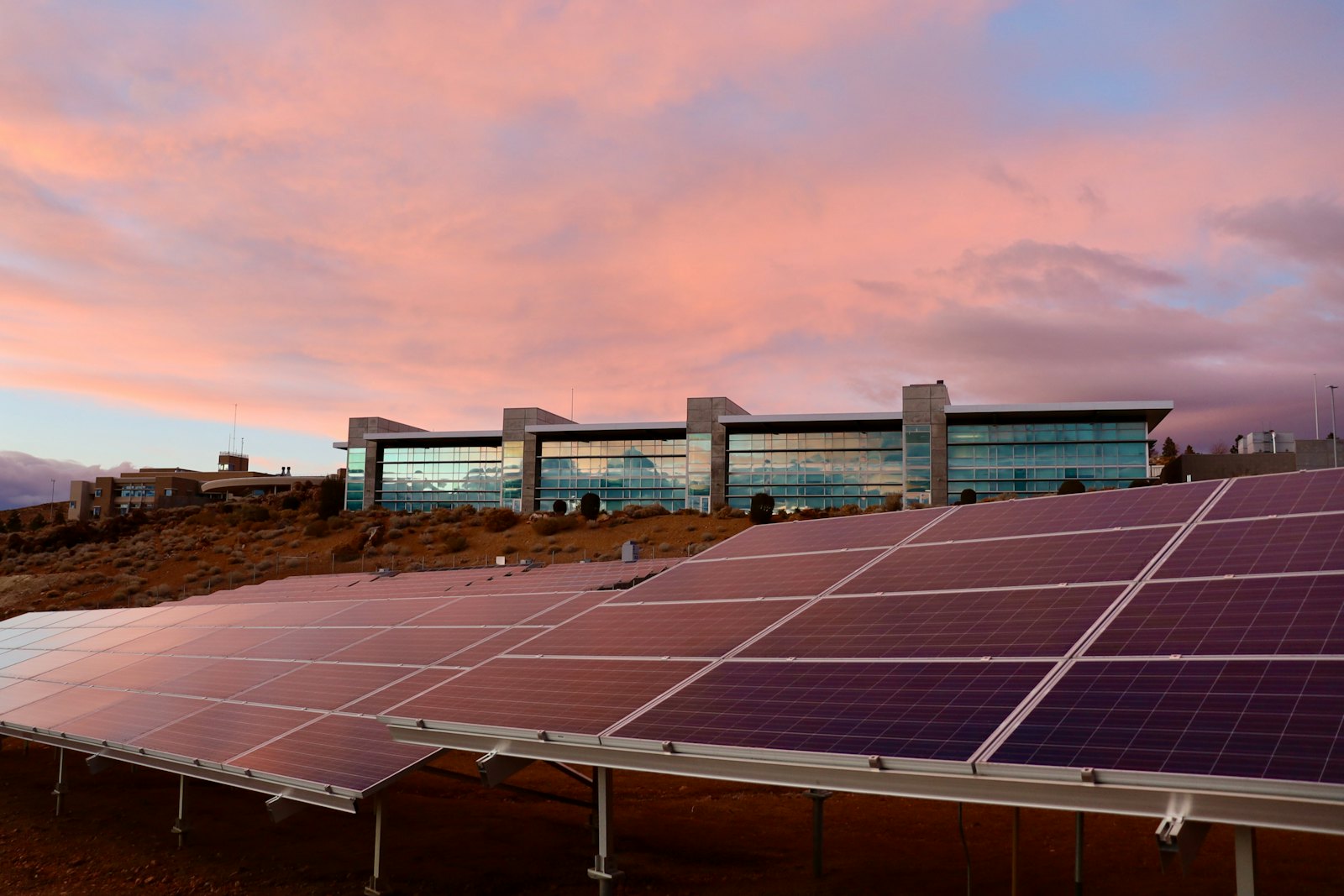
Bifacial Glass-Glass Modules
Replacing the polymer backsheet with a second sheet of glass lets the cells collect light reflected off the surface below. On white membrane roofs, light-coloured ground or elevated agrivoltaic structures, that rear-side contribution is real energy you would otherwise throw away.
Glass-glass construction is also mechanically superior: no backsheet to yellow or crack, better resistance to moisture ingress, and a lower degradation rate over the module's life.
- No backsheet degradation
- Higher mechanical load rating
- Better PID resistance
- Ideal for ground-mount
| Parameter | Indicative value |
|---|---|
| Construction | Dual-glass, frameless or framed |
| Bifaciality factor | 70 – 85 % |
| Peak power range (front) | 540 – 620 Wp |
| Glass | 2.0 mm + 2.0 mm heat-strengthened |
| Mechanical load | 5400 Pa snow / 2400 Pa wind |
| Product warranty | 12 years |
| Performance warranty | 30 years linear |
Swipe the table sideways to see all values.
Polycrystalline Modules
Where land or roof area is not the constraint and the budget is, polycrystalline modules still make sound commercial sense. They are less efficient per square metre than mono, but the rupees-per-watt maths can favour them on large open sites — solar pump sets, farm installations and rural ground-mount in particular.
We are candid about the trade-off: if your available area is tight, spend the extra on Mono PERC or TOPCon instead. We will tell you which way the numbers point for your specific site.
| Parameter | Indicative value |
|---|---|
| Cell technology | Polycrystalline silicon |
| Peak power range | 250 – 340 Wp |
| Module efficiency | 16.0 – 17.5 % |
| Typical use | Solar pumps, off-grid, large open-area ground-mount |
| Product warranty | 10 years |
| Performance warranty | 25 years linear |
Swipe the table sideways to see all values.
Which module is right for you?
A short version of the conversation we would have on site.
Tight roof area
Go TOPCon. When every square metre has to work, the efficiency premium pays for itself in generation you could not otherwise fit.
Standard home rooftop
Go Mono PERC. Best balance of cost, availability and long-term serviceability for a typical 3–10 kW residential system.
Ground-mount or white roof
Go Bifacial. Reflected light off the surface below turns into measurable extra kilowatt-hours across the year.
Open land, tight budget
Go Polycrystalline. Lowest cost per watt where area is plentiful and generation density is not critical.